Is Carnivore or Keto Diet Better for Weight Loss?

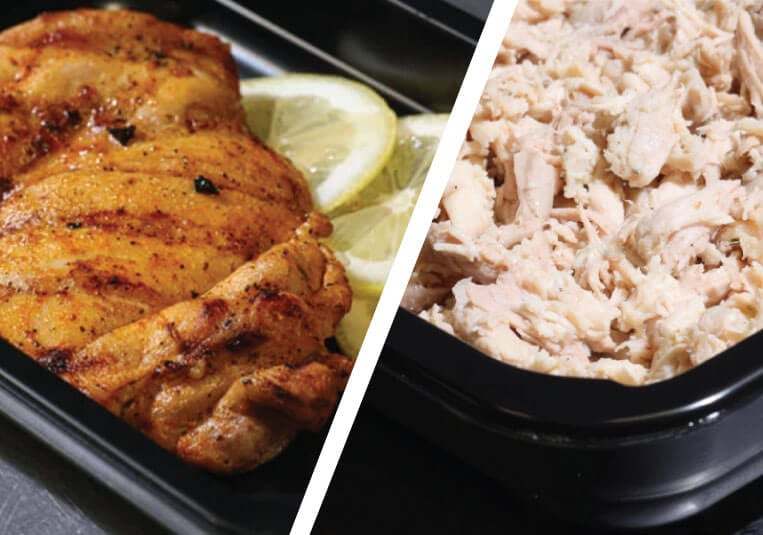
Table of Contents: What is the difference between the carnivore and keto diets?
Both the carnivore and keto diets have built serious followings for good reason — they work. Both eliminate sugar, destroy carb cravings, and push your body toward burning fat as its primary fuel. But when it comes to dropping weight specifically, they are not the same diet, and the one that works better depends heavily on your body, your goals, and how you handle food restriction. This guide breaks down exactly how each diet drives fat loss, where they diverge, and which one is likely the better fit for you.
What Is the Difference Between the Carnivore and Keto Diet?
Before comparing results, it helps to understand what each diet actually is — because they are more different than most people assume.
The carnivore meal plan is the most extreme form of low-carb eating: it eliminates all plant foods and restricts intake exclusively to meat, fish, poultry, eggs, and some dairy. Carbohydrate intake drops to near zero.
The carnivore diet removes the ambiguity entirely. If it came from an animal, you eat it. If it came from a plant, you don’t. There are no labels to read, no macros to track, and no carb limits to calculate. Carnivore is, functionally, a zero-carb version of keto with the plant-food flexibility stripped out.
The ketogenic diet plan, by contrast, restricts carbohydrates to 20–50 grams per day while allowing a range of plant foods — avocados, leafy greens, nuts, seeds, and full-fat dairy — as long as the daily carb limit is respected.
The ketogenic diet keeps fat high and protein moderate, with the goal of depleting glycogen stores so the liver begins producing ketones from fat — shifting the body into a metabolic state called ketosis. Food variety is moderate: avocados, leafy greens, full-fat cheese, olive oil, nuts, and low-sugar berries all make the cut.
How Each Diet Causes Weight Loss

The best diet for weight loss is the one which works for you and maintains good health.
Ketosis and Fat Burning
Both diets can induce ketosis — the metabolic state in which the body switches from burning glucose to burning fat for fuel. In ketosis, the liver converts fatty acids into ketone bodies, which the brain and muscles use as an energy source in place of carbohydrates. This metabolic shift is the primary driver of the rapid early weight loss both diets are known for.
The carnivore diet tends to get you into ketosis faster, simply because carbohydrate intake is essentially zero from the start. On keto, you have a 20–50g daily carbohydrate allowance — and it is easy for some people to inadvertently consume enough carbs or protein to blunt ketosis. On carnivore, that ambiguity is removed.
Caloric Intake and Satiety
One of the most under appreciated weight loss mechanisms in both diets is their effect on appetite. Protein and fat are the two most satiating macronutrients — they keep you full longer than carbohydrates and suppress the hunger hormones, particularly ghrelin, that drive overeating. Both diets produce a natural reduction in calorie intake not through calorie counting, but by eliminating the foods that stimulate appetite and reward-driven eating.
The carnivore diet typically outperforms keto on this front. With no sweeteners, no keto treats, and no nuts or dairy to snack on compulsively, carnivore dieters often find their appetite more thoroughly suppressed and their eating windows shorter — producing a direct calorie-reduction effect without any conscious restriction.
Insulin Response
Both diets dramatically lower sugar which is correlated with type 2 diabetes, as well as insulin levels compared to a standard carbohydrate-heavy diet. Since insulin promotes fat storage and inhibits fat burning, keeping it consistently low is central to both approaches. The carnivore diet produces a lower average insulin response than keto, simply because there are fewer carbohydrate inputs to respond to. Lower insulin, more fat burning — that is the core mechanism.
Carnivore vs. Keto for Weight Loss: Side-by-Side Comparison
Factor |
Keto |
Carnivore |
|---|---|---|
Daily Carbohydrates |
20–50g per day |
Near zero |
Speed of Ketosis |
Moderate (2–7 days) |
Fast (1–3 days) |
Initial Fat Loss Speed |
Effective |
Often faster |
Appetite Suppression |
Strong |
Stronger |
Food Variety |
Moderate (greens, nuts, dairy, avocado) |
Low (meat, fish, eggs, some dairy) |
Tracking Required |
Yes — daily carb counting |
No — eat meat until full |
Long-Term Sustainability |
Higher |
Lower for most people |
Nutritional Completeness |
Better |
Deficiency risks without planning |
Clinical Research |
Extensive |
Growing, limited long-term data |
Best For |
Sustainable fat loss with lifestyle flexibility |
Faster fat loss, simplicity, elimination protocols |
What is the Carnivore Diet for Weight Loss?

Meal prep is energy-draining and time-consuming. Carnivore diet is often seen as the easiest diet to follow, as meals are typically one ingredient.
The Case For Carnivore: Carnivore’s weight loss advantages come from its simplicity and its complete elimination of carbohydrates. People who struggle with keto often struggle because they find ways to stay technically within their carb limits while still eating foods that spike insulin — certain dairy products, sugar alcohols, and highly processed keto snacks are common culprits. Carnivore meals removes that problem entirely.
The diet is also remarkably easy to follow without a food scale or tracking app. You eat meat until you are full, then stop. For people who find macro tracking demoralizing or unsustainable long-term, this is a meaningful practical advantage that directly impacts adherence.
Rapid initial fat loss: Near-zero carb intake drives fast entry into ketosis and rapid water weight reduction in the first week.
Stronger appetite suppression: High protein and fat intake blunts hunger hormones more thoroughly than keto, which still allows stackable foods like nuts and cheese.
No tracking required: The rules are simple enough that no app, scale, or label reading is necessary.
Elimination benefits: Many carnivore dieters report reduced bloating, improved digestion, and resolution of food sensitivities — symptoms that persist on keto due to remaining plant-food intake.
The Limitations of Carnivore: The carnivore diet is not nutritionally complete by default. It requires fiber supplementation or diet supplementation with fiber-rich foods. It also lacks some of the 13 essential vitamins like vitamin C, folate, magnesium, and certain B vitamins unless organ meats or targeted supplementation are included. Long-term adherence also presents real social challenges — dining out, eating with family, and managing travel becomes noticeably harder when your food list is this narrow. The high saturated fat load of a red-meat-heavy carnivore diet plan has also drawn scrutiny from cardiologists. Anyone with existing cardiovascular risk factors should consult a physician before adopting a strict carnivore protocol.
What is the Keto Diet for Weight Loss?
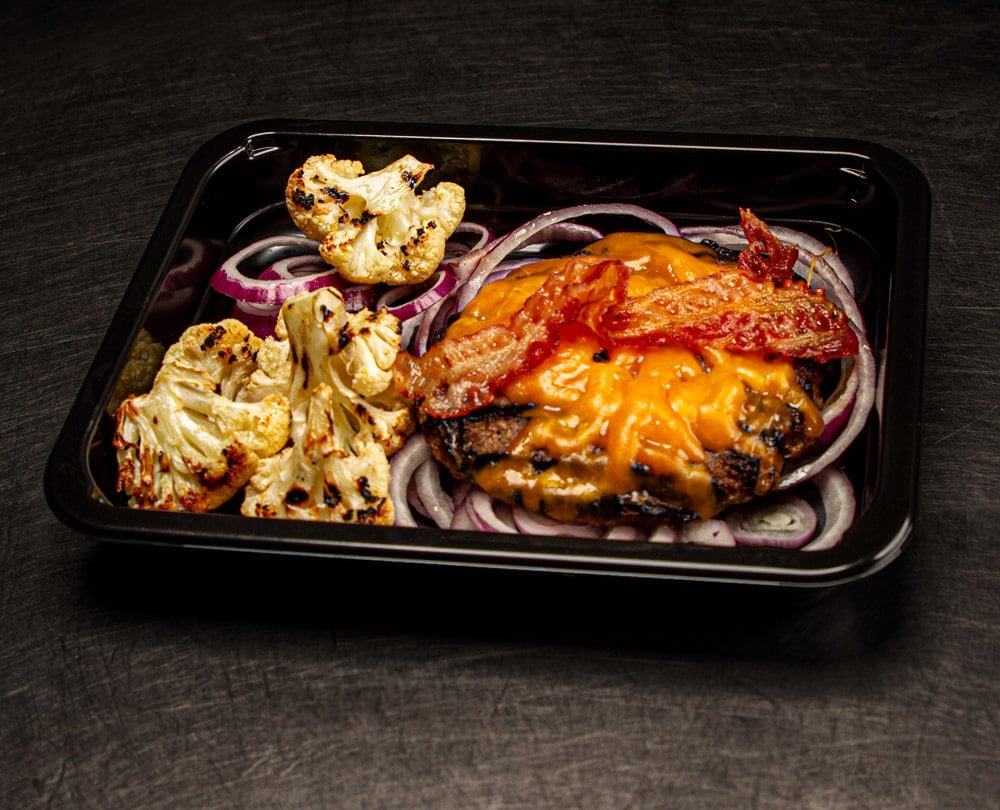
Keto creates more questions and complexity, which often reduces diet compliance.
The ketogenic (keto) diet is a high-fat, low-carbohydrate, and moderate-protein eating plan designed to force the body into a metabolic state called ketosis. By restricting carbs (typically under 50g/day), the body burns fat for fuel instead of glucose, producing ketones for energy.
The ketogenic diet has one of the strongest bodies of clinical evidence of any dietary intervention for fat loss. A 2024 meta-analysis of randomized controlled trials found that keto significantly reduced body weight, BMI, waist circumference, and body fat mass across multiple participant groups. Its track record is extensive and well-documented.
Keto’s food variety also makes it significantly more sustainable over months and years. You can build meals around keto-friendly fruits, olive oil, keto bread, nuts, keto pancakes, vegetables, full-fat cheese, guacamole, and a wide range of proteins. Social meals, restaurant eating, and food diversity are all manageable — and that flexibility is what keeps people on keto longer. Long-term adherence is ultimately what determines long-term weight loss success.
Well-researched: Decades of clinical trials support keto’s effectiveness for fat loss, blood sugar control, and metabolic health.
More food variety: Avocado, leafy greens, full-fat dairy, nuts, and olive oil give you more ways to build satisfying meals.
Better nutrient profile: Plant foods included on keto provide fiber, antioxidants, essential amino acids, vitamins C, K, and E that carnivore lacks.
Easier to sustain socially: More options when eating out, traveling, or sharing meals make keto more compatible with everyday life.
The Limitations of Keto: Keto requires discipline and ongoing awareness. The 20–50g daily carb limit is easy to exceed if you are not paying attention — sauces, dressings, and processed foods can knock you out of ketosis without you realizing it. Keto also leaves more room for compensatory eating: there is an entire industry of keto sweeteners and snacks that technically fit your macros while sabotaging your results. The flexibility that makes keto sustainable is the same flexibility that makes it easier to game.
So, Which Diet Is Actually Better for Weight Loss?
Here is the direct answer: keto wins on long-term, sustainable fat loss for most people; carnivore wins on speed of initial fat loss and simplicity of execution.
If you want to lose fat steadily over six months or more without dramatically disrupting your social life or running nutritional risks, keto is the more practical and better-researched choice. It is flexible enough to maintain and restrictive enough to work. If your lifestyle allows it consider pairing the diet with intermittent fasting, so only eating in an 12 hour period, then only in an 8 hour period…
If you want rapid results, have a history of failing at keto due to food cravings or over-snacking on keto-friendly fruits, or are dealing with a specific inflammatory or digestive issue that plant foods may be aggravating, carnivore is worth a serious trial — particularly for a defined period of 30 to 90 days. Many people use carnivore diet plan as a hard reset before transitioning to a long-term keto protocol.
The worst outcome is paralysis. Both diets are dramatically more effective for weight loss than the standard American diet. The best diet for fat loss is the one you will actually follow consistently — and the easiest way to follow either is to have the right food ready when you are hungry.
Pairing Your Diet With the Right Meal Plan
The single biggest obstacle to both keto and carnivore is not willpower — it is the daily time cost of sourcing, cooking, and cleaning up high-quality, diet-compliant meals. When that friction builds up, most people default to whatever is easiest, which is rarely the food that serves their goals.

As carnivore cannot provide complete nutrition, consider supplements.
MealPro’s carnivore meal delivery service prepares fully-cooked, 100% animal-based meals — Santa Maria grilled tri-tip, Organic Norwegian salmon loin, Mary’s organic chicken wings, hickory smoked brisket, pork carnitas, and more — vacuum-sealed and shipped directly to your door. No shopping. No cooking. No cleanup. Just open, heat, and eat. Whether you are running a strict 30-day carnivore protocol or a flexible long-term keto plan, having restaurant-quality, diet-compliant meals ready in minutes removes the main reason people fall off. Browse the carnivore à-la-carte menu or start with the Carnivore Chef’s Box — 22 meals, 2 of each protein, delivered this week.
Frequently Asked Questions
Yes. The carnivore diet is a subset of keto — it simply removes plant foods. If you are eating carnivore and consuming enough fat relative to protein, you are likely in ketosis. Many people refer to this as “animal-based keto” or “zero-carb keto.” The distinction matters mainly when comparing results and nutritional completeness.
In the short term, most people experience faster initial fat loss on carnivore because carbohydrate intake drops to near zero and total calorie intake naturally decreases due to stronger appetite suppression. However, long-term weight loss depends on which diet you can sustain — and keto’s flexibility supports adherence over time. Carnivore is best treated as a powerful short-term tool or elimination protocol, not necessarily a permanent lifestyle for everyone.
On keto, it typically takes two to seven days to enter ketosis once carbs are restricted below 50 grams per day. On carnivore, the process can happen faster — sometimes within one to three days — because carbohydrate intake is essentially zero from the start. Individual metabolism, body composition, glycogen stores, and activity level all affect the timeline.
Both diets can cause a transitional period sometimes called the keto flu — fatigue, headaches, and irritability as the body adapts to burning fat instead of glucose. Carnivore may produce a more intense adjustment period due to the complete elimination of dietary fiber and plant compounds. Digestive changes, including constipation, are more commonly reported on carnivore during the first two to four weeks as gut bacteria adapt.
Both diets reduce insulin levels and promote fat burning, which tends to reduce visceral — abdominal — fat specifically. Neither diet offers spot reduction: fat loss comes from total body fat stores. However, the belly is often one of the first areas where reduction becomes visible on low-carb diets, partly due to reductions in bloating and water retention alongside actual fat loss.
Long-term safety research on the carnivore diet is limited compared to keto. Short-term studies show positive metabolic markers in many participants, but concerns remain around saturated fat intake, LDL cholesterol levels, the absence of dietary fiber, and potential micronutrient deficiencies including vitamins C, K, and E, folate, and magnesium. Anyone pursuing carnivore long-term should monitor blood work regularly and consult a healthcare provider — particularly those with existing cardiovascular or metabolic conditions.
Chris Park is a board-certified sports nutritionist, registered dietitian and former college rugby player. Chris loves strength training and pushing his body to the limit, which comes in handy when working with professional athletes and designing their nutritional needs. Chris also enjoys helping others by writing about nutrition.